Nail fungus might not seem like a big deal, but it can be a serious concern. From discolouration to brittle, thickened nails, it’s not only a cosmetic issue, but also a health risk. So, for those worried about proper nail care, this raises an important question: Are regular manicure and pedicure sessions safe, or do they make things worse? The answer depends largely on hygiene, technique, and aftercare.
This blog explores how manicures and pedicures can help protect against fungus, and the best ways to keep your nails clean, strong, and healthy.
What Is Nail Fungus (Fungal Nail Infection)?
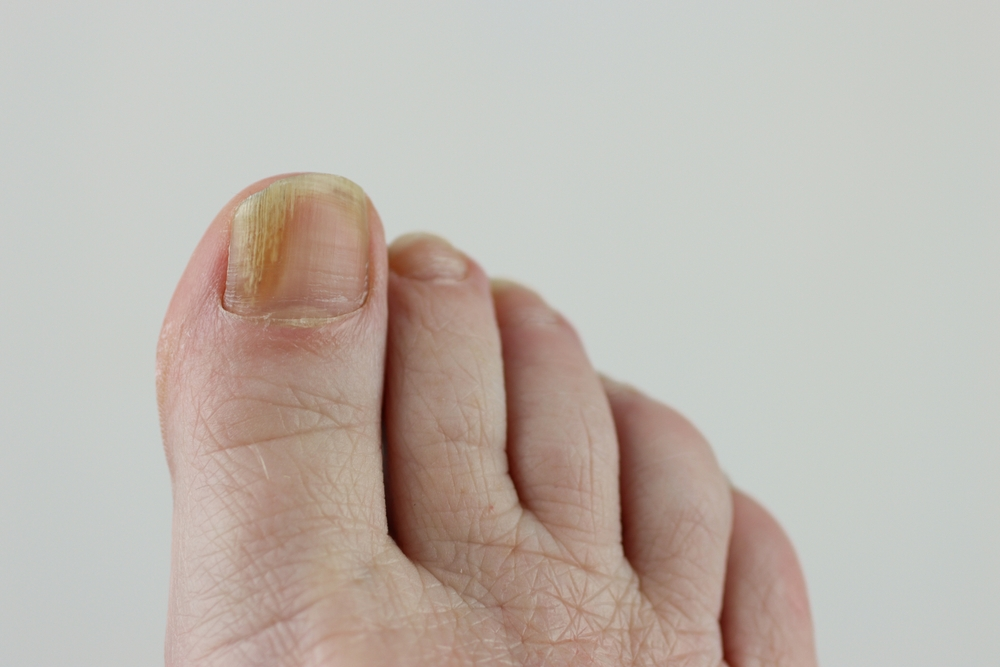
Nail fungus, medically known as onychomycosis, is a fungal infection of the nails caused by dermatophytes, yeast, or mould. It can affect both fingernails and toenails, leading to visible and structural changes in the nail plate.
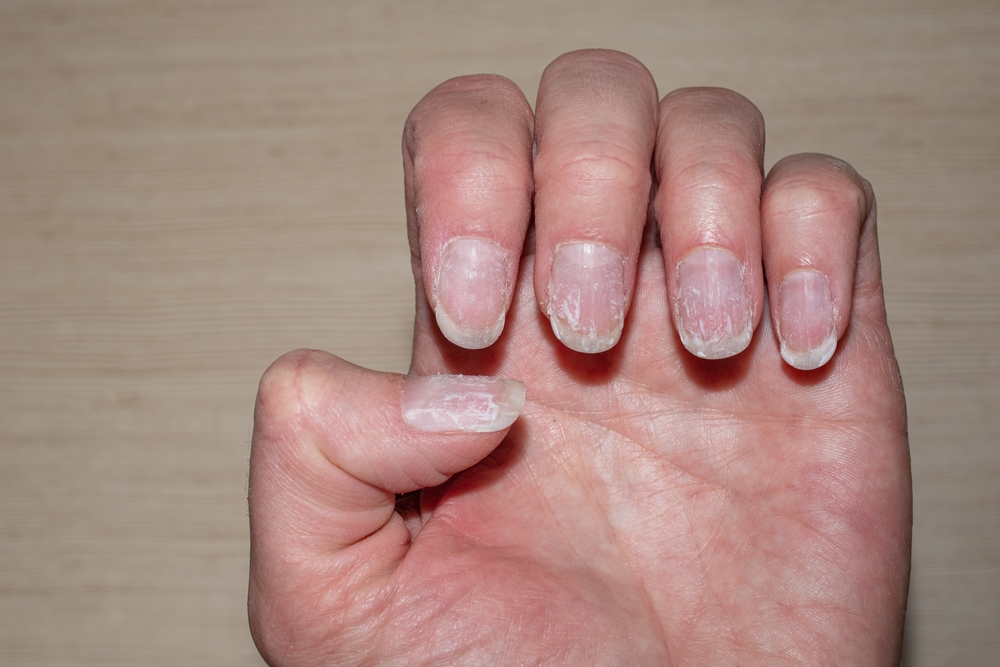
Typical symptoms include nail discolouration, thickening, brittleness, and, in severe cases, nail separation from the nail bed. These infections are stubborn, spread easily, and can take months to fully treat.
Because fungal spores thrive in warm, moist environments, treatment is often lengthy and prone to recurrence. That’s why proactive nail fungus prevention through safe salon habits and proper hygiene is essential.
Can Proper Manicures and Pedicures Prevent Fungal Infections?
When done safely, professional manicures and pedicures can actually reduce your risk of fungal infections.
Clean salons that follow proper hygiene protocols remove dead skin, trim nails correctly, and prevent dirt buildup, all of which minimise fungus-friendly conditions.
-
Sterilisation & Disinfection Protocols
High-quality salons use autoclaves or medical-grade disinfectants on tools. Disposable items (like nail files) should be opened fresh for each client.
-
Preventive Nail Treatments
Regular cleaning, trimming, and cuticle care prevent fungal buildup and keep nails strong. Some treatments even include antifungal sprays for added protection.
Risks Involved in Manicures & Pedicures
While manicures and pedicures can promote cleanliness, unsanitary salon conditions can do the opposite.
-
Unsanitary Tools & Cross-Contamination
Improperly sterilised clippers, files, or buffers can easily spread fungi from one client to another. Tools should always be disinfected between uses or replaced entirely.
Footbaths or whirlpool tubs are common fungus breeding grounds if not cleaned properly. Shared tubs without disposable liners can harbour bacteria and fungal spores that infect open skin.
-
Nail Trauma & Micro-Injuries
Overly aggressive cuticle pushing, cutting, or buffing can create tiny wounds that serve as entry points for infection. Always ensure technicians handle your nails gently.
-
Moist & Warm Environments
Fungus thrives in damp conditions, such as sweaty socks or non-breathable shoes after a pedicure. It’s crucial to let your feet dry thoroughly before putting on footwear.
Technicians who skip disinfection protocols or reuse products like polishes and buffers across clients can dramatically increase fungal infection risks.
Best Practices for Safe Manicures & Pedicures
1. Choose a Reputable Salon
Always ask about tool sterilisation methods and read reviews. Licensed salons tend to follow stricter health and hygiene regulations.
2. Bring or Request Disposable Tools
Using single-use files, buffers, or sticks eliminates cross-contamination risks.
3. Footbath Hygiene
Ensure footbaths are disinfected after every client and lined with disposable covers.
4. Gentle Techniques
Avoid salons that cut or push cuticles aggressively. Minor skin damage increases infection risk.
5. Keep Nails Clean & Dry
Trim nails regularly and dry them thoroughly after washing or bathing.
6. Avoid Sharing Nail Products
Never share nail polish, clippers, or buffers, even with family.
7. Use Preventive Products
Antifungal sprays or powders can help reduce fungal buildup, especially for frequent salon-goers.
8. Take Nail Breaks
Give your nails time to “breathe” by going polish-free for a few days each month.
Aftercare Tips to Avoid Fungal Recurrence
- Dry your hands and feet completely after bathing.
- Wear breathable shoes and moisture-wicking socks.
- Clean and disinfect your at-home tools after every use.
- Rotate shoes and allow them to air out fully.
- Watch for early signs of fungus, such as discolouration or thickening, and act quickly.
What to Do if You Suspect a Fungal Infection
If you notice thick, brittle, or discoloured nails:
- See a dermatologist or podiatrist for a proper diagnosis.
- Follow prescribed topical or oral antifungal treatments.
- Maintain nail hygiene during treatment and disinfect your tools to prevent reinfection.
Conclusion
When performed with care and strict hygiene, manicures and pedicures can be an effective part of nail fungus prevention. The key lies in choosing reputable salons, following proper aftercare, and paying attention to early warning signs.
For safe, professional nail treatments that prioritise your health and beauty, only trust SV Beauty, where cleanliness, comfort, and care come first.
Call us at 0431 290 971 and schedule your mani-pedi appointment today.
FAQs
Can salon manicures cause fungus?
Only if tools or baths are contaminated. Clean salons significantly reduce this risk.
How often should I get a manicure or pedicure?
Every 3–4 weeks is safe if hygiene protocols are followed.
Is it safe to share nail tools with family?
No, fungi can transfer easily between individuals.
Do gel or acrylic nails increase infection risk?
Yes, if moisture gets trapped beneath them or removal damages the nail bed.
How soon can fungus develop after a pedicure?
Symptoms may appear within a few days to a couple of weeks.