Healthy, well-groomed nails do more than just add to your beauty. Nails protect the sensitive skin of your fingertips, and they are a sign of overall good health. Cracked or discoloured nails could be a sign of some underlying issue, and should not be ignored.
In this comprehensive guide, we’ll break down the most common nail problems, the reasons they occur, and how professional care from salons, podiatrists, or dermatologists can prevent long-term damage. This blog also dives into The Ultimate Guide to Nail Aftercare and addresses a popular concern: Can Manicures & Pedicures Prevent Nail Fungal Infections?
Why Nails Get Problematic? Key Underlying Causes
Our nails face constant stress. From washing dishes to applying products, everyday habits slowly weaken the nail structure. Common causes include:
- Overexposure to water and chemicals, such as detergents and cleaning products, and to constant handwashing. This strips natural oils, causing brittleness and splitting.
- Trauma or improper nail cutting, including cutting too short or rounding corners, increases the risk of ingrown nails.
- Fungal or bacterial infections thrive in warm, moist environments, particularly affecting toenails.
- Nutritional deficiencies in vitamins, minerals, or protein can make nails weak and slow to grow.
- Age, chronic skin conditions, or repeated stress can lead to ridges, thickening, or deformities.
Understanding the root cause is the first step toward proper treatment.
Common Nail Problems You Should Know About
Brittle, Cracked, or Splitting Nails
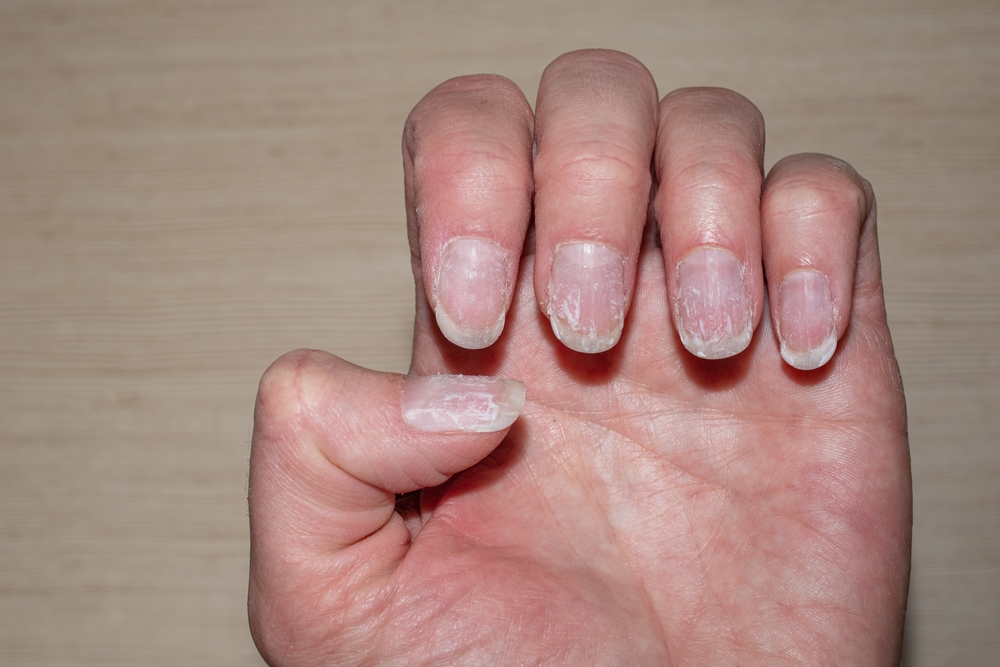
These nails feel dry and break or peel easily.
Symptoms include:
- Cracking
- Peeling
- Weakness
- Thin nail plates
Excess water exposure, harsh chemicals, dehydration, or repeated trauma could be the possible cause.
Nail Discoloration (Yellowing, Dark Lines, White Spots)
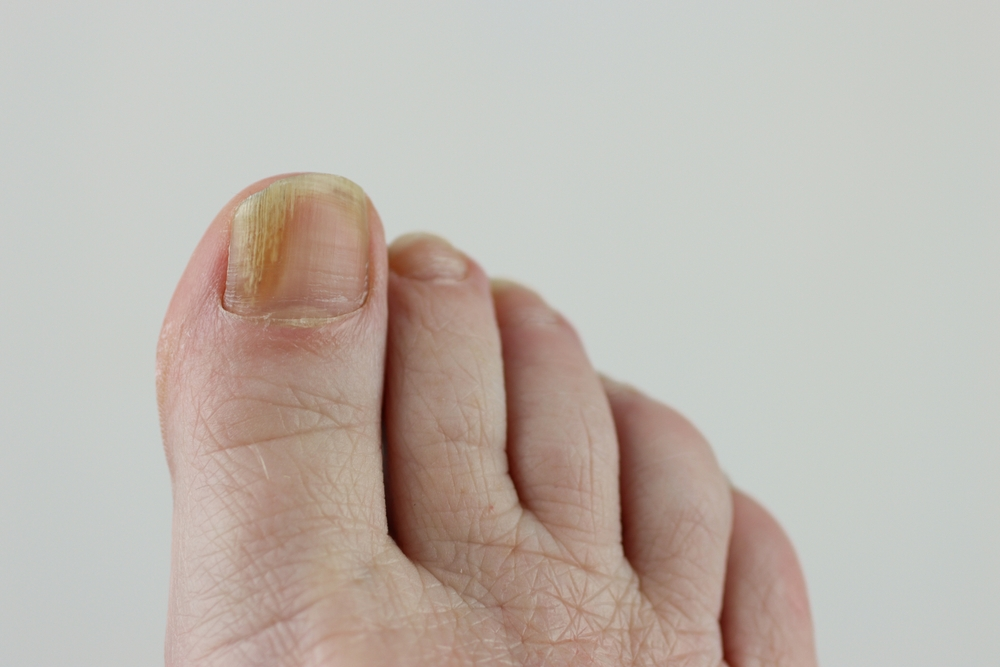
Yellowing often indicates fungal infections or staining from polish when a base coat isn’t used.
White spots or streaks (Leukonychia) usually stem from minor trauma, allergies, or mineral deficiencies.
Dark lines or patches may come from injuries, but sometimes require professional evaluation to rule out more serious conditions.
Ingrown or Deformed Nails
Problems like Onychocryptosis (ingrown toenails), Onychauxis (nail thickening), or curved/hooked nails can become painful quickly.
Common causes include:
- Cutting nails too short
- Rounded trimming
- Tight shoes
- Trauma
- Genetics
Nail Ridges, Pitting, and Texture Changes
Ridges running vertically or horizontally, dents, or thickened plates may appear due to:
- Aging
- Trauma to the nail matrix
- Nutritional imbalances
- Skin conditions like psoriasis
Fungal or Bacterial Nail Infections
These infections cause:
- Thickened nails
- Yellow or brown discoloration
- Lifting of the nail
- Brittle, crumbly texture
- Odour
They are common in athletes, people with sweaty feet, or anyone exposed to moisture for long periods.
Why Home Remedies & Regular Polishes Aren’t Always Enough
Many people try to fix nail issues using store-bought polishes or DIY methods. Unfortunately:
- Polishes often mask problems instead of treating them.
- Harsh removers and repeated manicures without proper aftercare can cause thinning and breakage.
- Conditions like fungal infections or chronic ingrown nails require a professional. Otherwise, they may worsen, spread, or cause permanent nail damage.
This is why understanding The Ultimate Guide to Nail Aftercare is essential for long-term nail health.
How Professional Care Can Help? Treatments & Interventions
Professional Manicures & Pedicures with Proper Hygiene
Not all nail services are created equal. A high-quality manicure Brisbane service includes:
- Correct trimming and shaping (straight across cuts for toenails)
- Hygienic cuticle care
- Safe tools and sterilisation
- Strengthening treatments and gentle buffing
These treatments help maintain nail health and prevent avoidable problems like splitting or ingrown nails.
Medical & Dermatological Treatments
When nails show signs of infection, deformity, or structural changes, medical professionals step in. They offer:
- Antifungal or antibiotic topical/oral treatments
- Debridement (trimming thick, deformed nails)
- Procedures for severe ingrown nails
- Diagnosis of underlying conditions that affect nails
This approach ensures safe, long-lasting solutions.
Nail-Strengthening Treatments & Therapeutic Nail Care
Professionals help restore nail integrity using:
- Moisturising oils
- Barrier-repair creams
- Cuticle care
- Nutritional guidance
- Hydration tips
For nails with ridges or texture changes, gentle buffing is applied without over-thinning the plate.
Preventive Advice & Hygiene Guidance
Experts offer personalised advice on:
- Proper trimming and shaping techniques
- Choosing breathable, comfortable footwear
- Protecting nails from chemicals
- Maintaining daily hygiene
- Knowing when a nail issue signals a deeper health concern
This guidance plays a huge role in long-term nail health.
When to Seek Expert Help? Red Flags & Complications
Seek professional support if you notice:
- Persistent discoloration or thickening
- Nail lifting or detachment
- Recurring fungal or bacterial infections
- Painful ingrown nails
- Deep ridges, sudden deformities, or unexpected changes
- If you have diabetes, psoriasis, or a suppressed immune system
Early intervention prevents complications and ensures healthier nail regrowth.
Final Thoughts
Nail health reflects good grooming and a healthy lifestyle. Whether you’re dealing with brittle nails, recurring infections, or painful ingrown toenails, professional care offers safe, effective solutions that go beyond what at-home remedies can achieve.
Understanding proper maintenance, especially through The Ultimate Guide to Nail Aftercare, ensures long-lasting results. And the answer to Can Manicures & Pedicures Prevent Nail Fungal Infections? is absolutely yes, when performed correctly, hygienically, and professionally.
SV Beauty is your local beauty salon for professional beauty treatments, including expert nail care. Call us at 0431 290 971 to book an appointment with us today.